My Pollinator Pal
This site may contain affiliate links. If you buy through them, I may earn a small commission at no extra cost to you.
For the Bees, Butterflies, Hummingbirds and Moths in Your Backyard
Who’s visiting your garden, what they’re after, and a few easy ways to make them feel at home.
Every backyard can become a pollinator hot spot. Yes, even yours.
Free printable kids' guides for each region → Pick your region
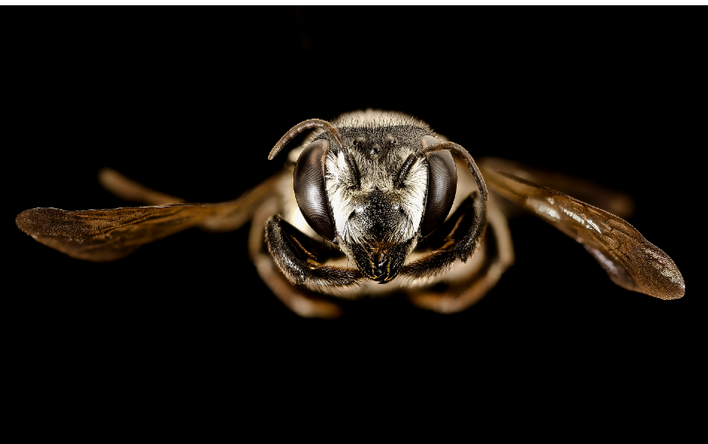
Leafcutter Bee - photo by USGSBIML Team
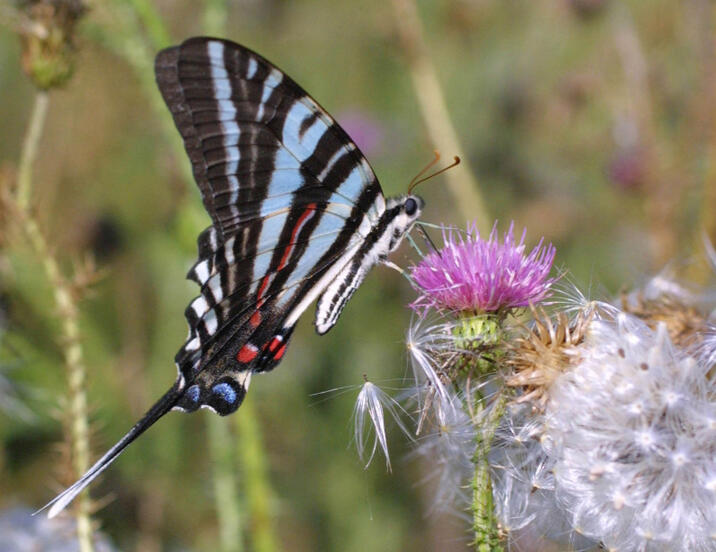
Zebra Swallowtail - photo by Elizabeth A. Sellers
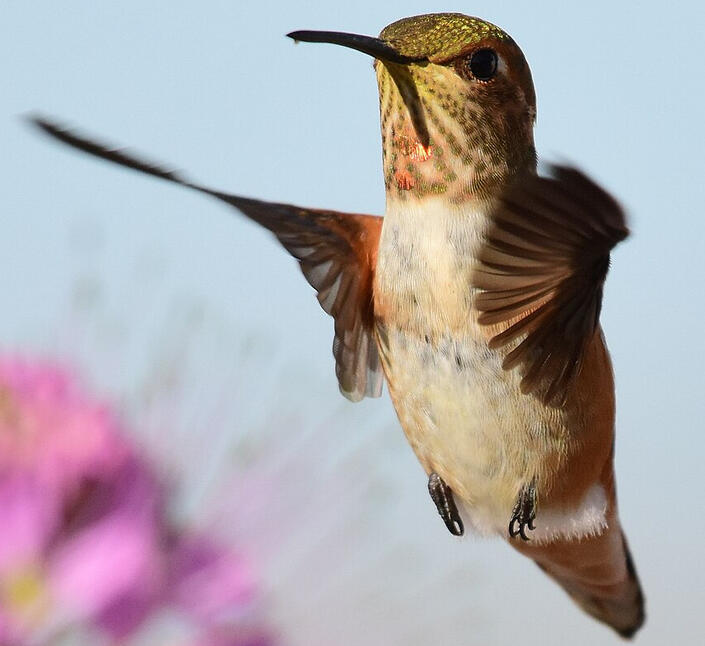
Rufous Hummingbird - photo by Tom Koerner USFWS
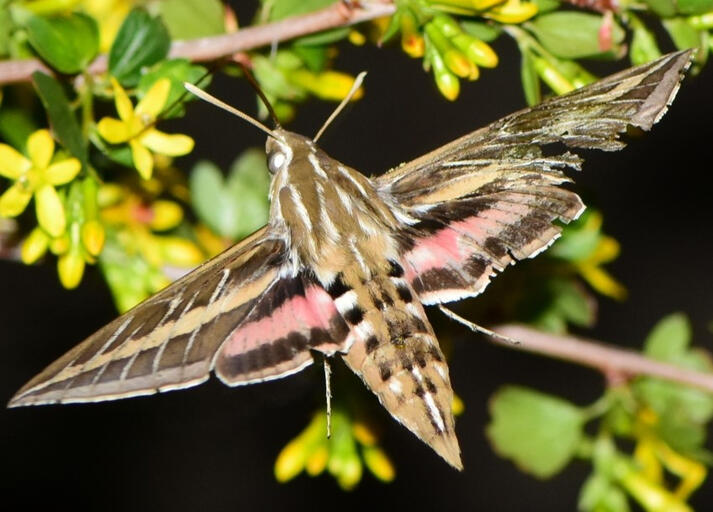
White Lined Sphinx Moth - photo by Tom Koerner/USFWS
Who’s Visiting
Who’s that at the flower? A few quick clues will sort out most of your guests.Bees: fuzzy, rounded bodies, often wearing pollen “saddlebags” on their legs or belly.Butterflies: wings held upright together at rest, with thin antennae that have a tiny knob at the tip. The day shift.Hummingbirds: thumb-sized birds that hover at tubular, brightly colored flowers, wings a blur.Moths: wings held flat or tented over the body, with feathery or thread-like antennae. Many clock in at dusk and after dark.Spot a tiny "hummingbird" with antennae? Plot twist: that’s a hummingbird moth.You can: point the free Seek app by iNaturalist at a visitor and let it name your guest. Get Seek ➔
Why It Matters
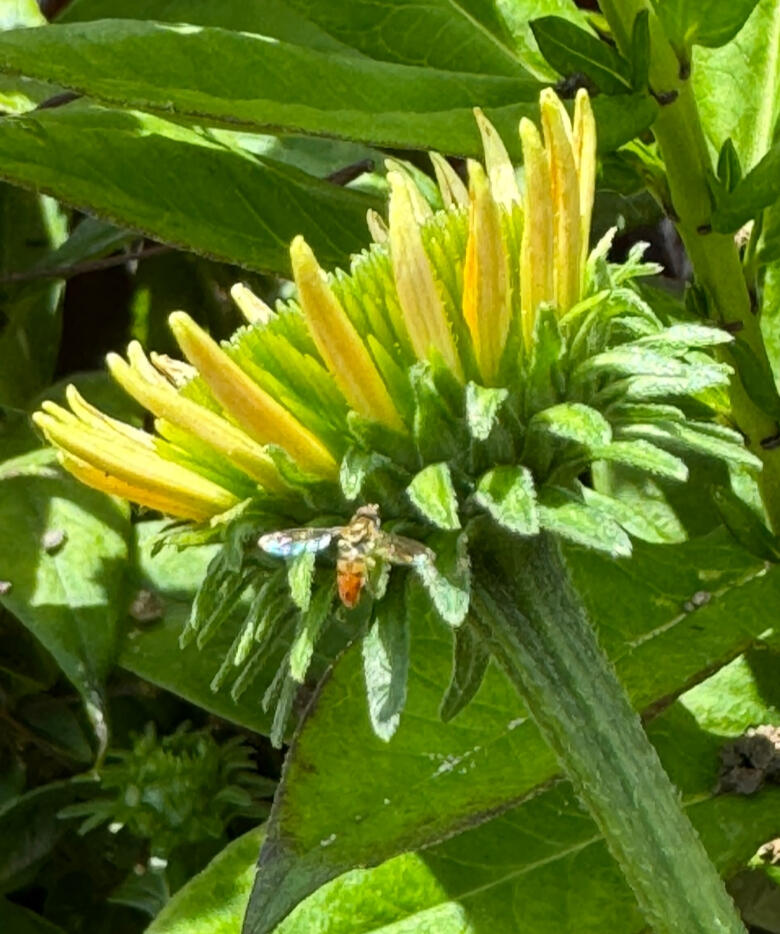
Pollinators are the reason we have apples, blueberries, squash, almonds, coffee and chocolate. (Yes, chocolate. You’re welcome.) About three-quarters of the food crops we grow benefit from them, and so do most of the wild plants that feed birds and other wildlife.Now the serious part: more than a third of North America’s native bee species are at elevated risk of extinction, according to a recent study. The good news? Yards, patios and even a few pots all count, and the steps below are small.Read the full study
5 Things That Actually Help
Your yard is already a stop on somebody's route. Bees, butterflies, hummingbirds and moths are looking for food, water and a place to rest, and a few small changes make yours an easy yes!
1. Plant natives. Many caterpillars are picky eaters: they can only eat certain native plants, and sugar water has no protein. Natives are the real groceries.
You can: tuck one or two into a pot or a sunny corner. A single plant counts. Really. Xerces Pollinator-Friendly Native Plant Lists— natives for your region.
2. Set out water. Pollinators get thirsty, and butterflies sip minerals from damp spots. A deep dish is a trap, though, so keep it shallow.
You can: fill a shallow dish with pebbles and refresh it every 2–3 days, which also keeps mosquitoes out. Free. Xerces Society — Make a Simple Water Source for Pollinators
3. Leave a little mess.Consider it your permission slip to skip a chore. A spotless yard leaves native bees nowhere to nest. They overwinter in hollow stems and bare soil, and chrysalises hide in leaf litter.
You can: leave one corner alone until spring. Once it stays above 50°F, tidy up. Free. Xerces Society — Leave the Leaves!
4. Skip the spray. Some garden products, especially systemic insecticides called neonicotinoids, end up in a plant’s nectar and pollen, which turns a snack into a risk. Weed killers also wipe out the native plants caterpillars feed on.
You can: pull weeds by hand, pick off pests, and let the ladybugs and lacewings handle the rest. Free, and a good excuse to be outside. Xerces Society — Rethinking Pesticide Use in Yards & Gardens
5. Give them cover. Many native bees nest in dead wood, and pollinators of every kind need somewhere to duck out of the wind and weather. Think of it as a tiny pollinator motel.
You can: stack a few sticks into a small brush pile, or plant a native shrub or bunch grass. Free to low cost.
Some links below may be affiliate links.
In the Garden
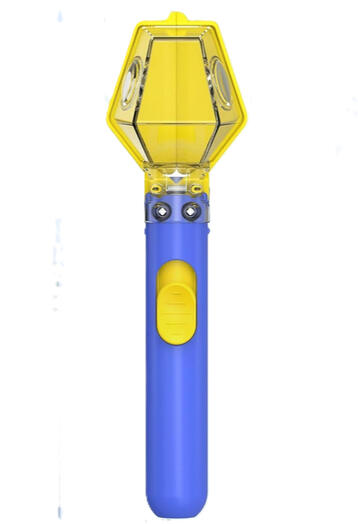
One handy tool for meeting your garden visitors up close, and it’s one I sell in my own eBay store. I’ll add more favorites here as I find ones worth recommending.Bug Catcher Magnifying Glass →
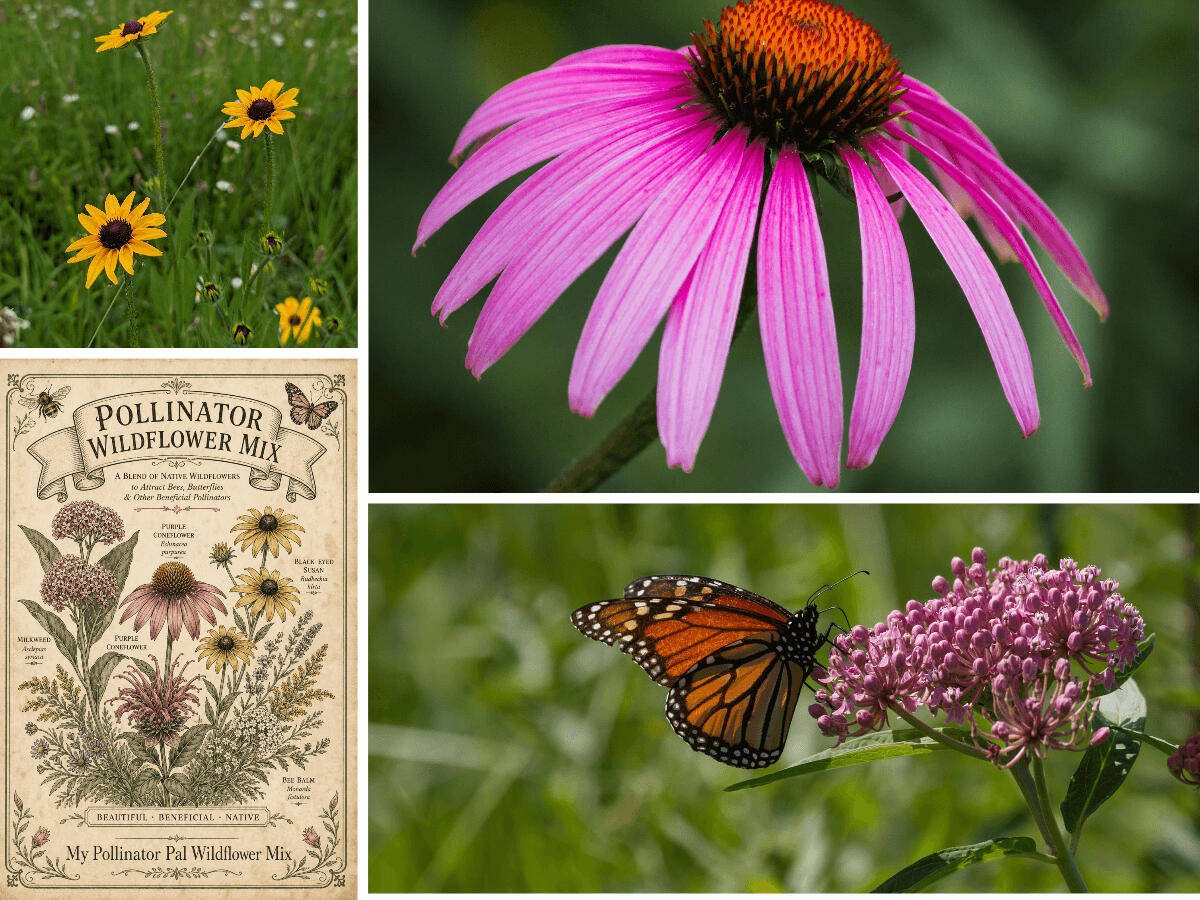
Black-eyed Susan - photo by Genna Weber on Unsplash
Coneflower - photo by Jeffrey Hamilton on Unsplash
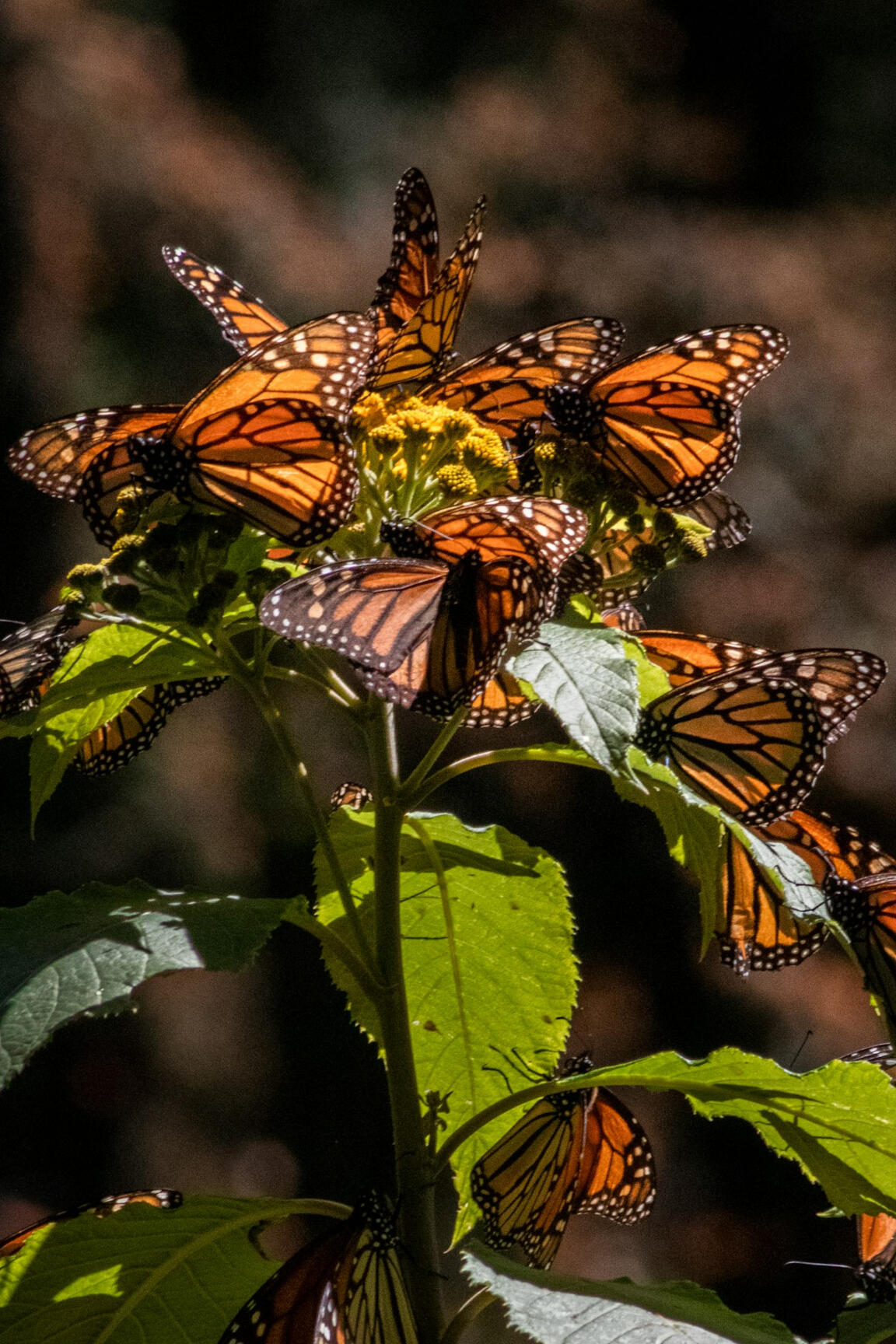
Milkweed with Monarch - photo by slipacre on Unsplash
Seed packet illustration, designed by me in Kittl. Not for sale.
Plants & Seeds
I don't sell live plants or seeds myself, but I know where to find the good stuff.You can: go to Xerces Pollinator-Friendly Native Plant ListsIf you'd rather shop locally — Xerces Society's Pollinator Conservation Resource Center lists native plant suppliers by region.Gardening in New England or New York? Northeast Pollinator Plants is a solid regional pick.
Our Mission
To help more people roll out the welcome mat for pollinators, and make learning about them simple, enjoyable, and accessible.Every garden can make a difference. Yours too, even if it’s three pots on a patio.
© 2026 My Pollinator PalHelping gardeners build backyards pollinators love.
About · Privacy · Disclosure · Regions
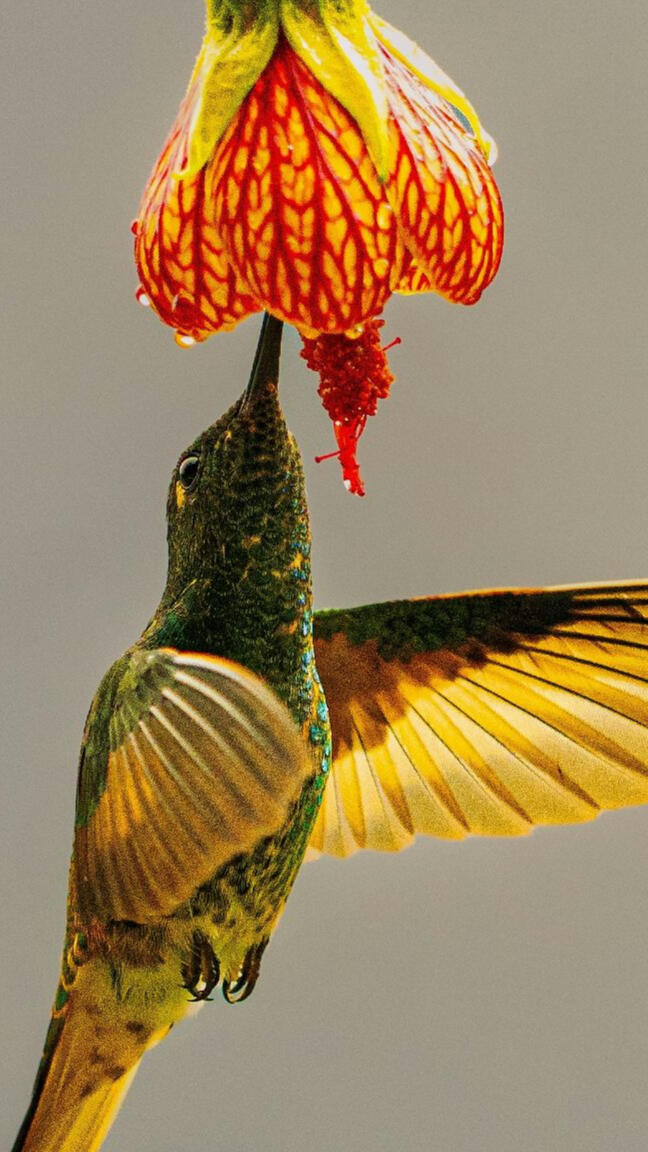
Photo credits: Makeda Nurradin/USFWS (sweat bee on a coneflower); Erika Löwe on Unsplash (monarch butterflies); Jesse Cason on Unsplash (hummingbird feeding).